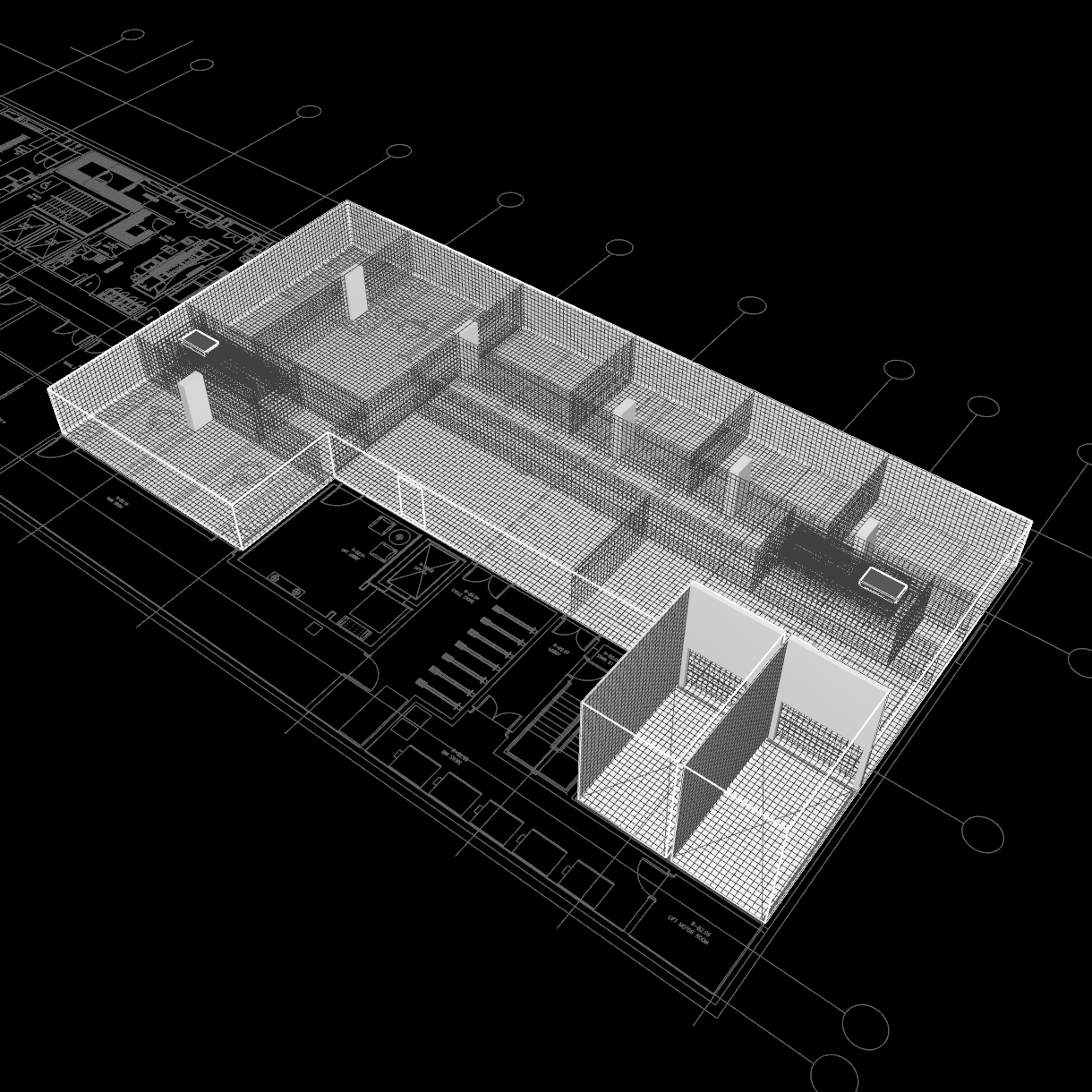
Basement Car Park
Mechanical impulse smoke clearance and pollution control
Detailed CFD validation of an enclosed basement car park using jet fans, tracer gas decay, and dual-mode operation for pollution control and smoke clearance.
Read Case StudyA collection of published project examples showing how smoke control CFD supports practical design decisions, technical reviews, and approval-focused reporting.
Each case study below opens as its own standalone page, with focused detail on the relevant building type, system, and design challenge.
Basement Car Park
Detailed CFD validation of an enclosed basement car park using jet fans, tracer gas decay, and dual-mode operation for pollution control and smoke clearance.
Read Case Study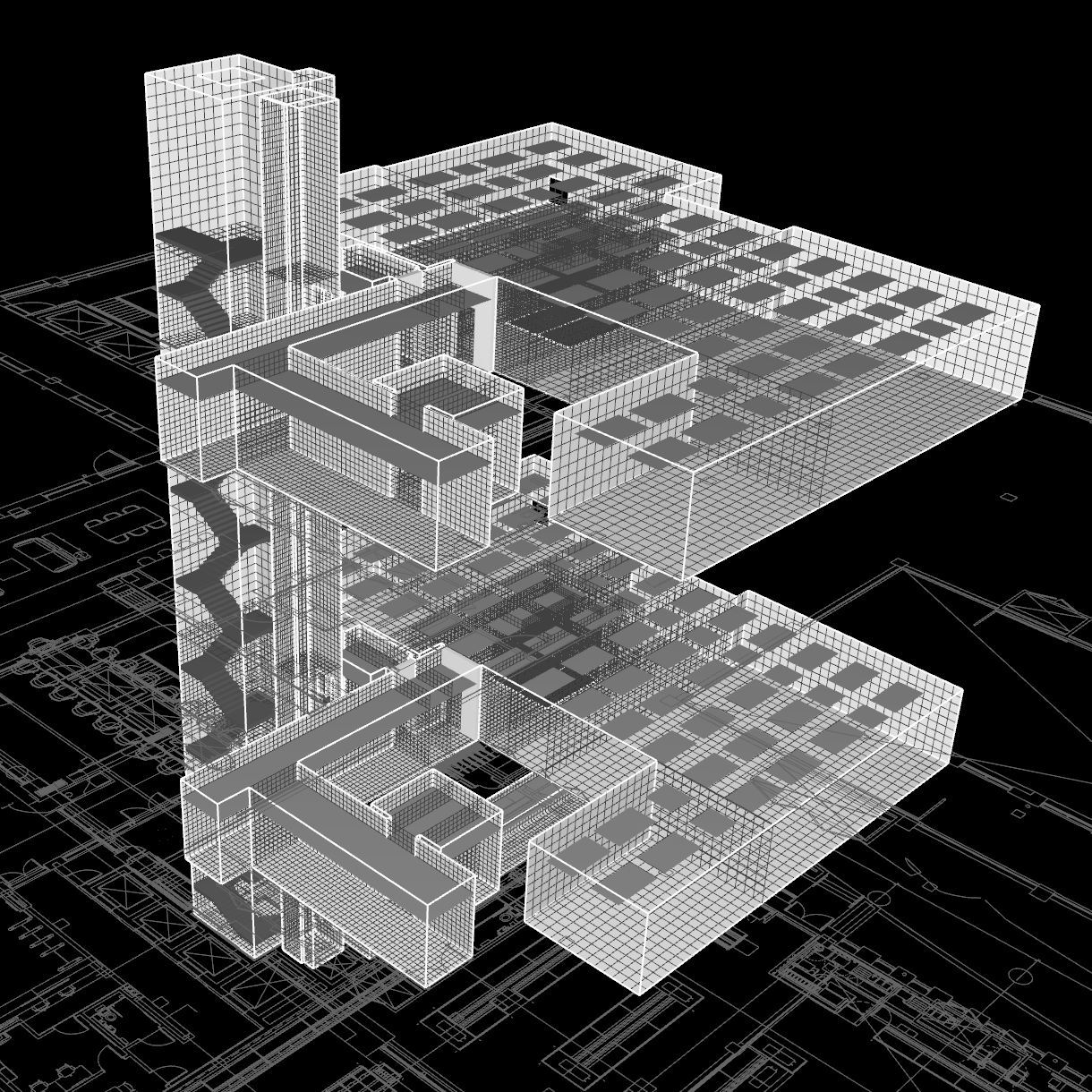
BS 9999 Firefighting Shaft
Comparative FDS analysis showing a proposed mechanical strategy outperformed a BRE-style natural shaft benchmark across upper-floor and lower-floor fire scenarios.
Read Case Study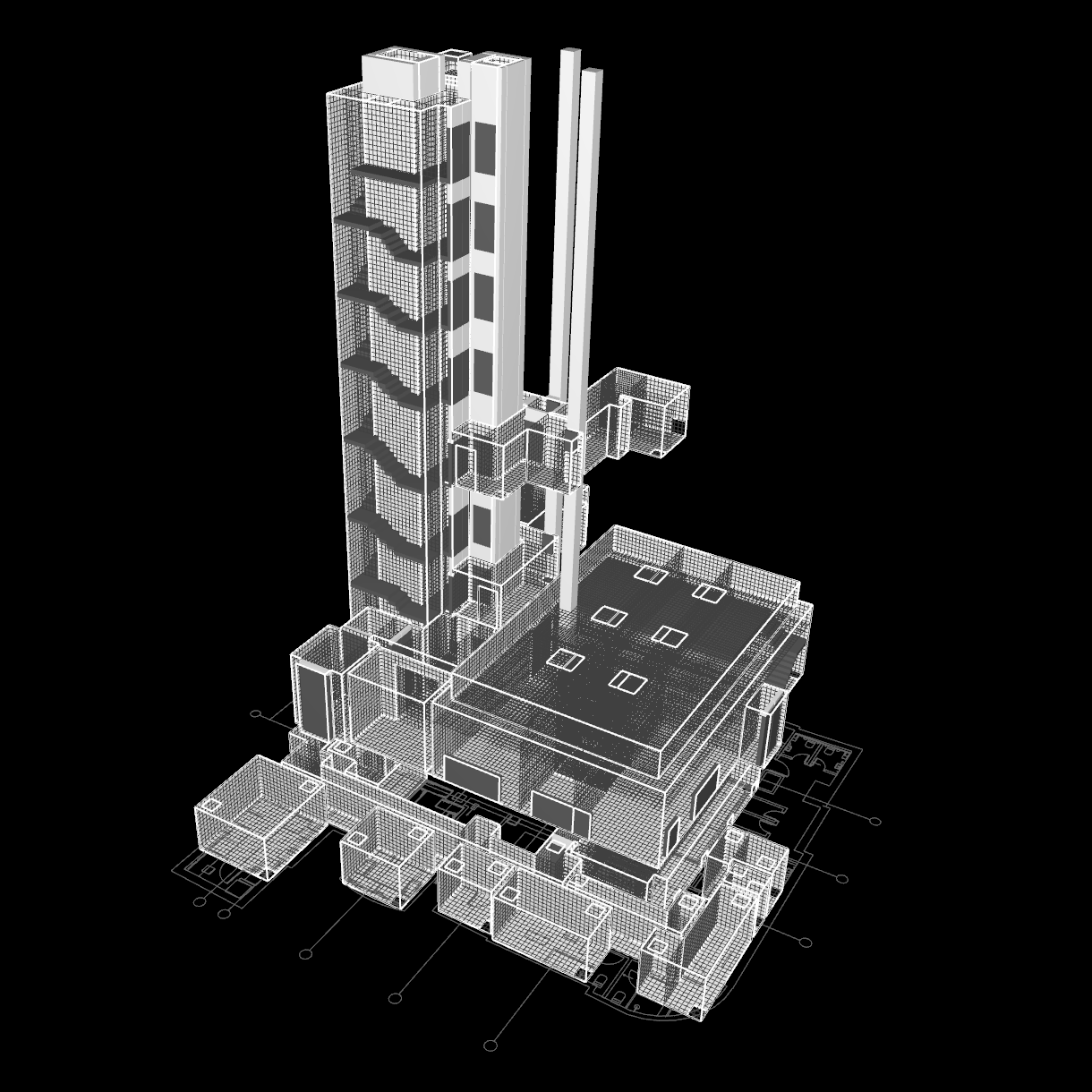
Listed Luxury London Hotel
Performance-based CFD covering stairs, lobbies, firefighting shaft interfaces, the basement bar area, and the ground-floor restaurant.
Read Case Study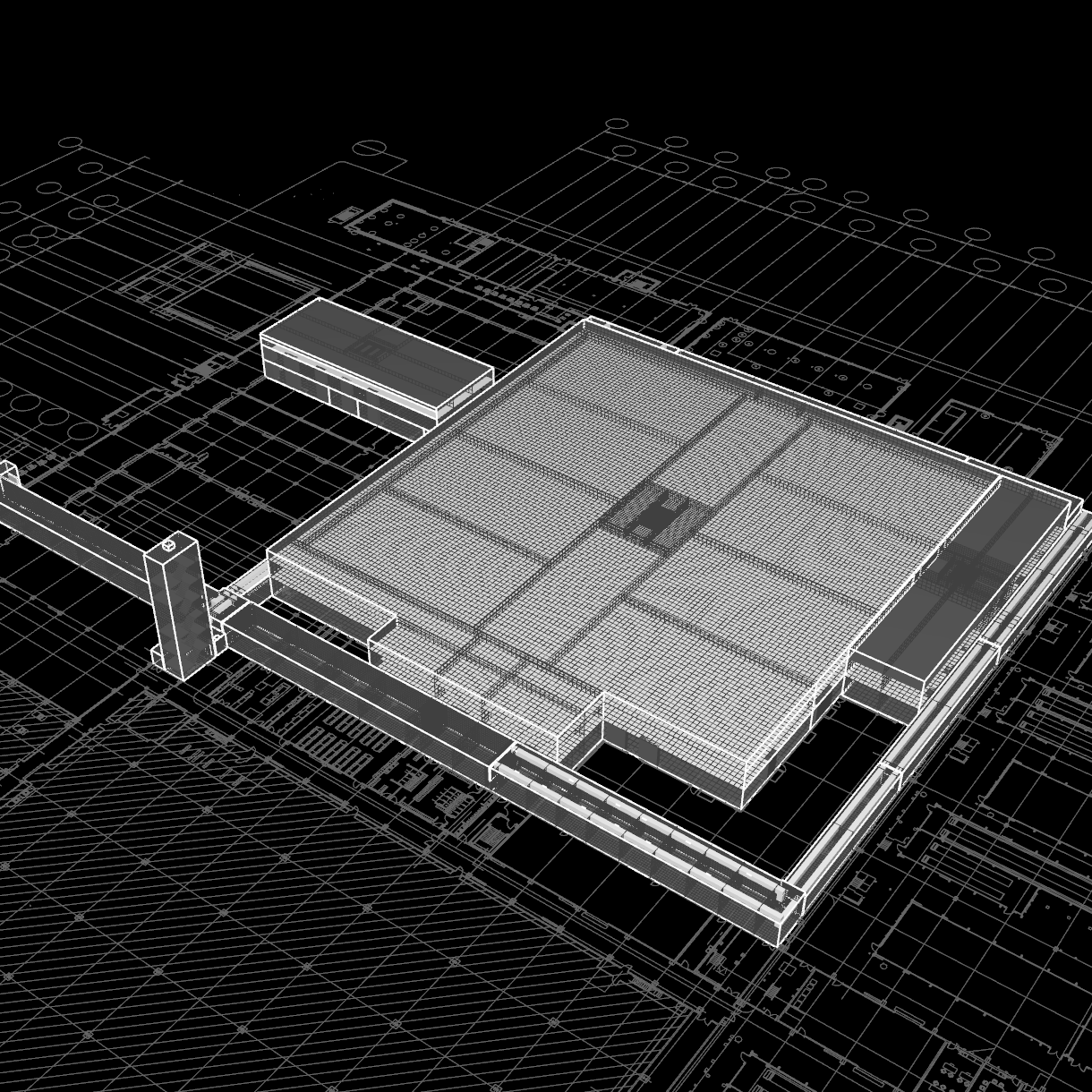
Large-Scale Industrial Facility
Ultra-high-resolution CFD quantifying tenability, ventilation control, and sprinkler-smoke interaction over extended industrial firefighting timelines.
Read Case Study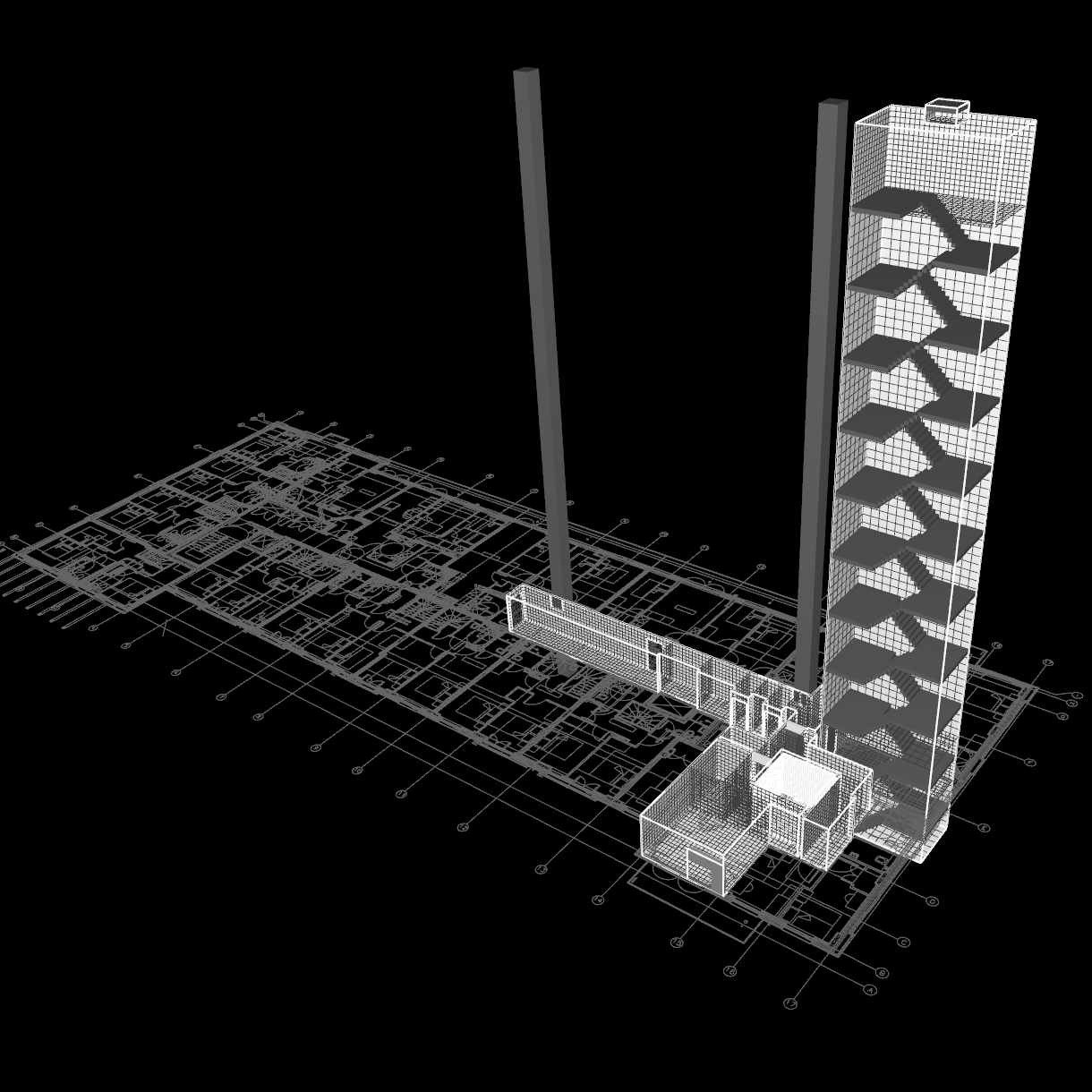
Residential Complex
Sensor-driven supply and extract logic validated by CFD to keep corridors tenable while staying below pressure thresholds that affect door usability.
Read Case Study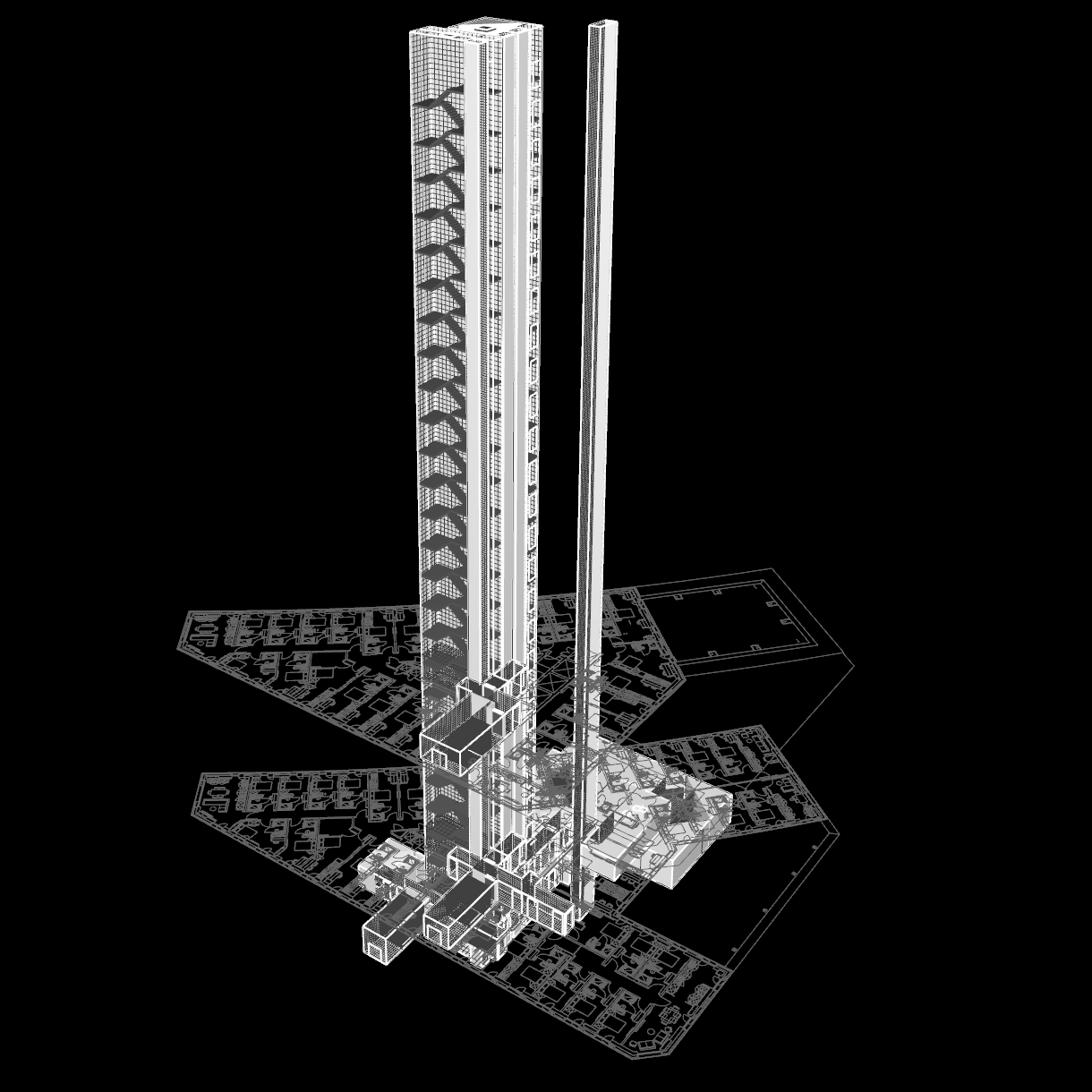
High-Rise Residential
CFD validation of governing summer reverse stack conditions, compliant door operability, and smoke-free escape routes in an 85-metre residential tower.
Read Case Study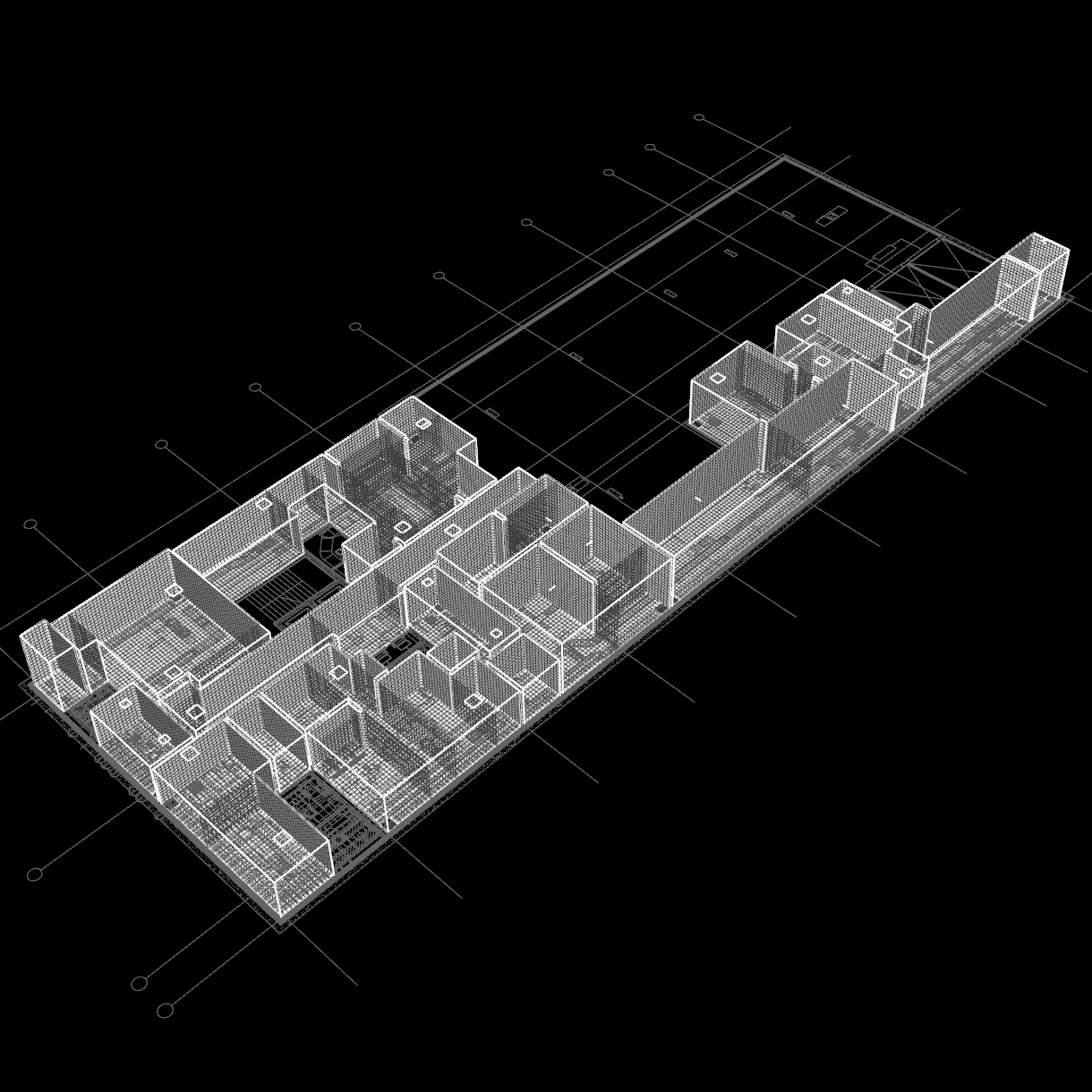
Subterranean Accommodation
A tracer-gas-based CFD methodology used to verify uniform volumetric clearance, eliminate stagnancy, and optimize a complex ducted smoke clearance network serving deep basement ancillary spaces.
Read Case Study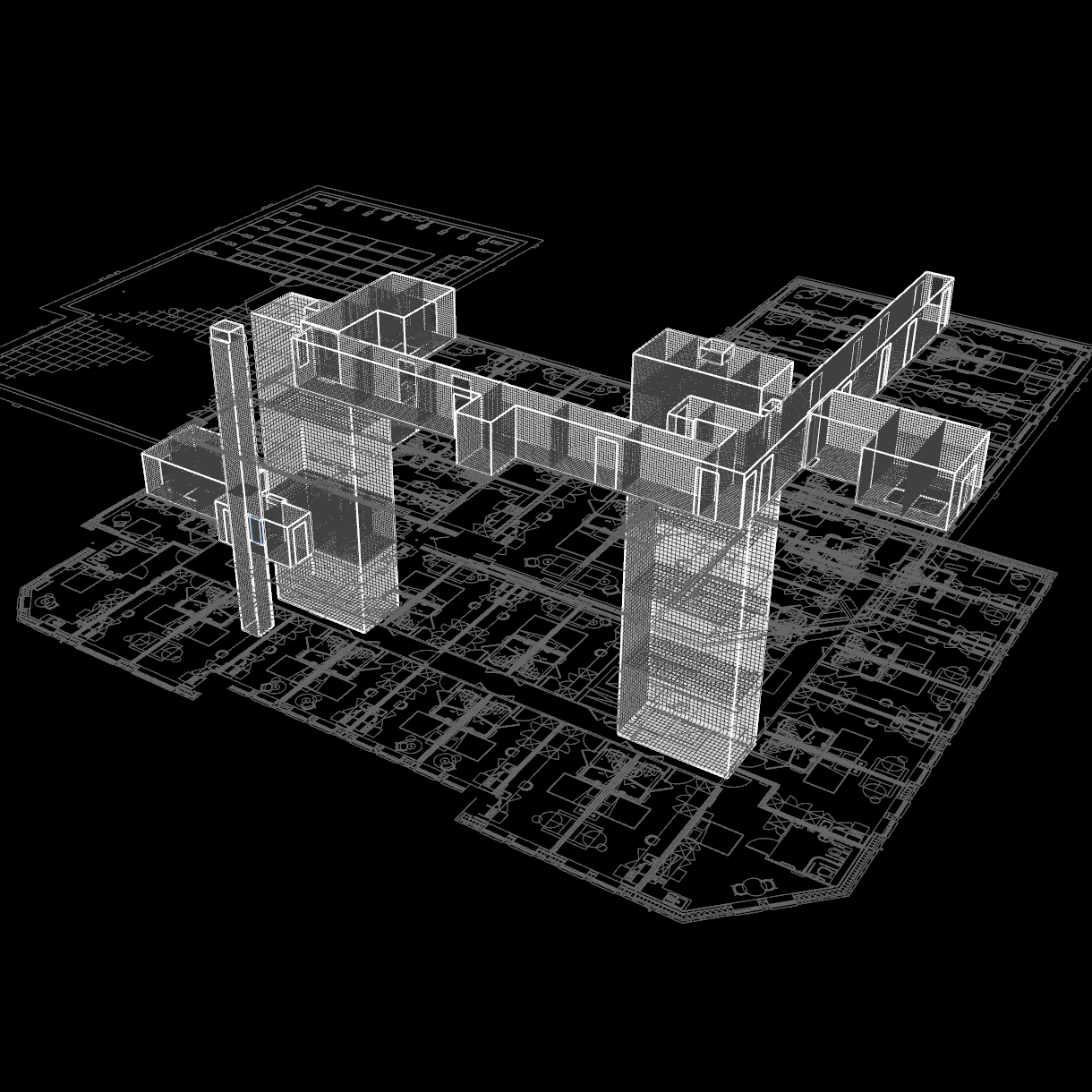
Residential Development
Residential smoke control CFD comparing mixed shaft strategies, confirming corridor performance while identifying residual stair ingress risk for the most demanding flat locations.
Read Case Study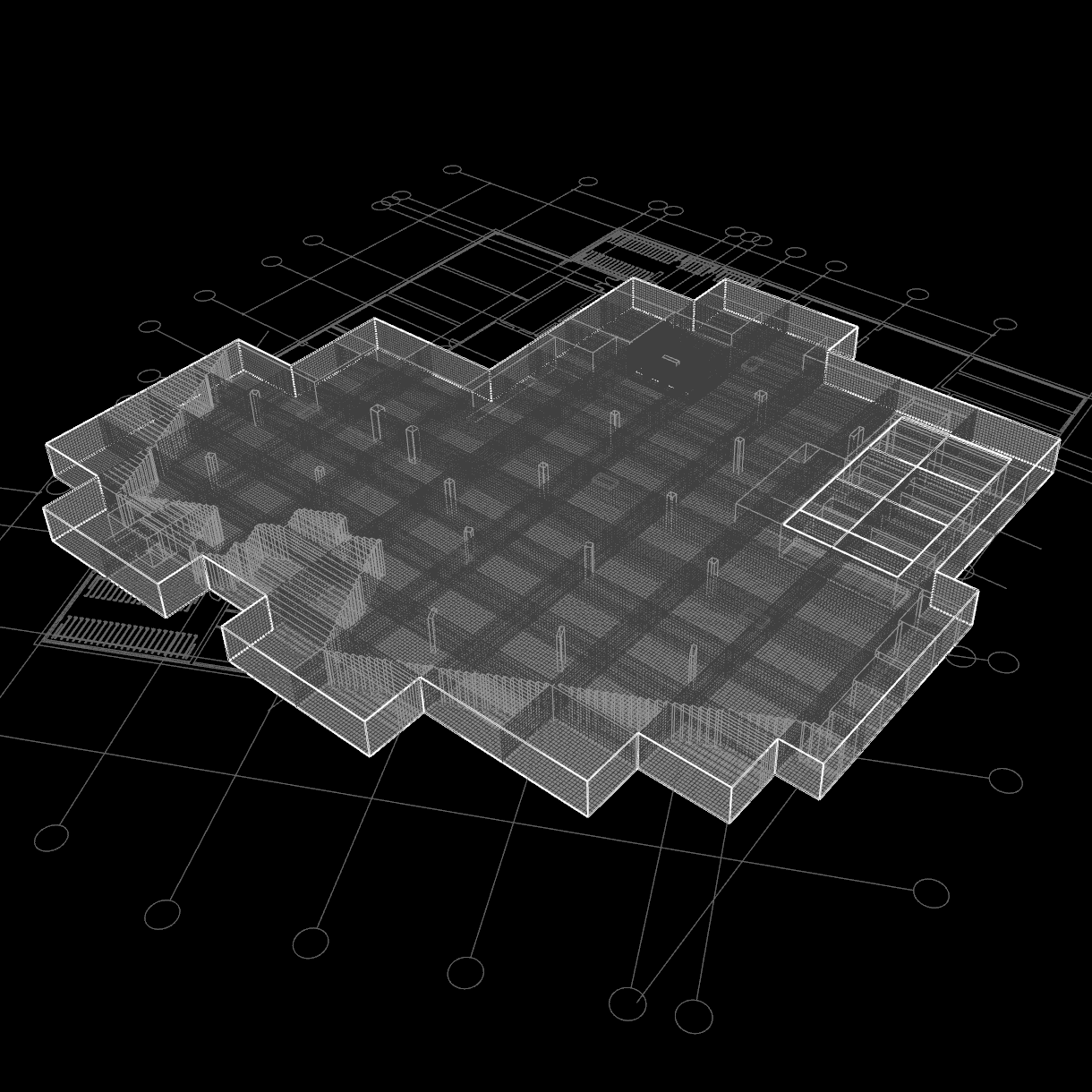
Basement Car Park
Tracer-gas and fire-mode CFD analysis of a basement car park ventilation system with induction fans, showing uniform airflow, no persistent dead zones, and strong clearance performance.
Read Case Study